Tolerances
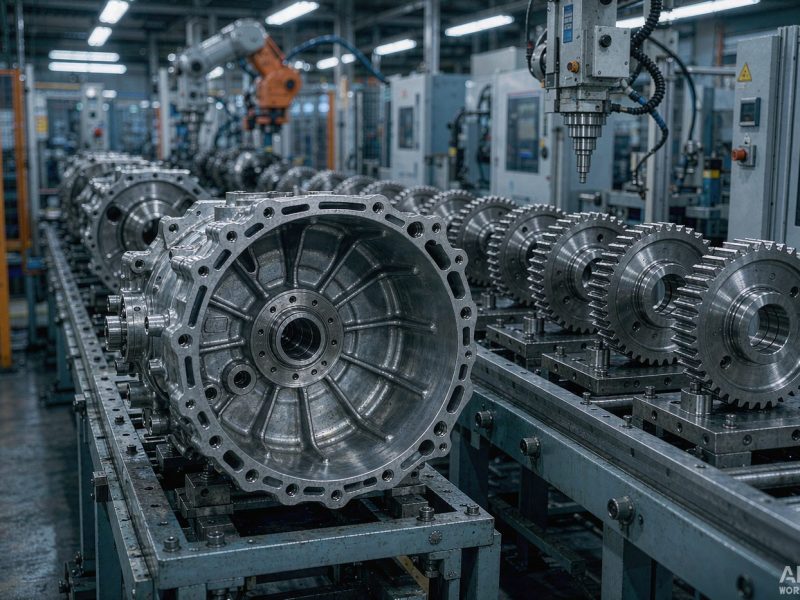
Automotive Powertrain Components: Balancing Volume and Tolerance
In a powertrain programme, an unnecessarily tight tolerance costs money on every part forever. A tolerance that is too loose costs you warranty claims. The job is finding the line. Specify function-critical features only…
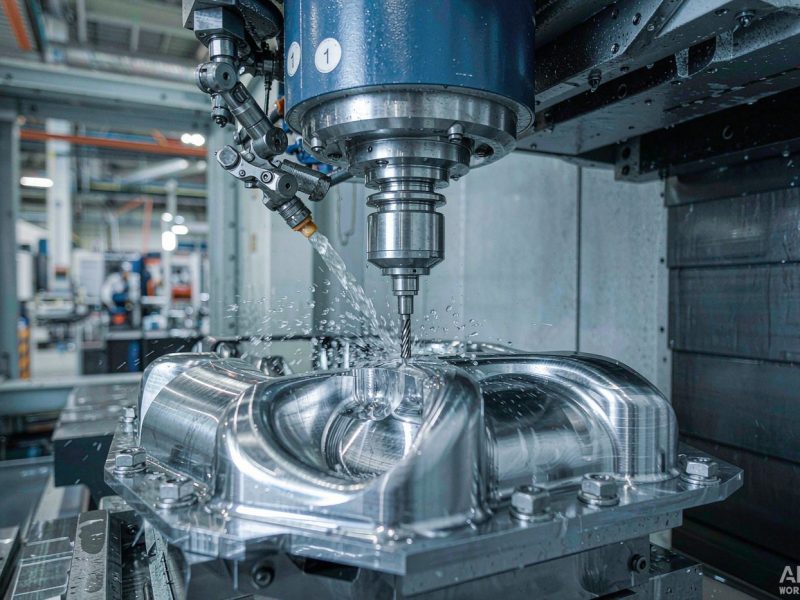
5-Axis CNC Machining: When Tight Tolerances Demand More Than 3+2
Most precision parts are made on a 3-axis or 3+2 machine. For the majority of brackets, housings and fittings that is the right and most economical choice. But some geometries only behave when the…
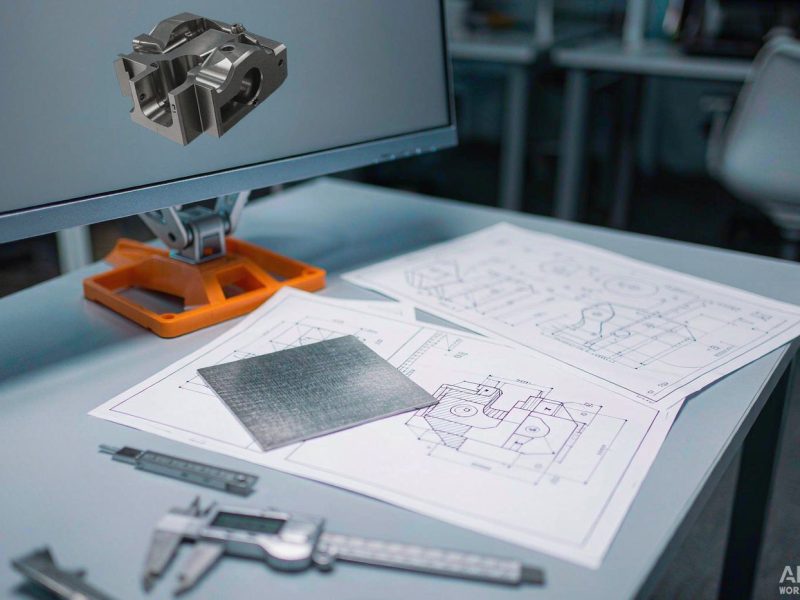
A Practical RFQ Checklist: Drawings and Specs That Get You an Accurate Quote
The fastest quotes are not the ones chased hardest — they are the ones backed by complete information. A manufacturability review is only as good as the drawing behind it. What to attach A…
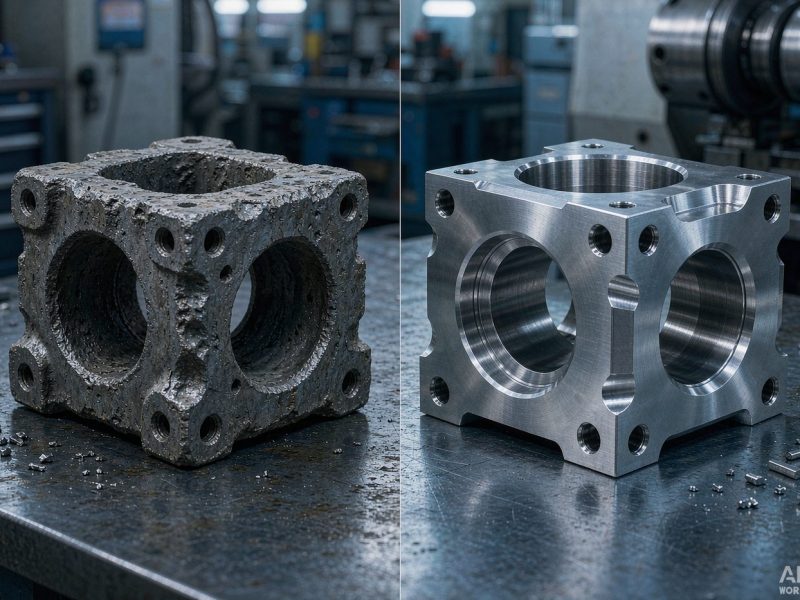
Casting vs. Machining: How We Decide the Right Process for Your Part
Buyers often open a quote request assuming the part should be CNC machined. Sometimes it should. Sometimes casting, or casting plus finish-machining, is the better answer. The decision is engineering, not habit. Start from…
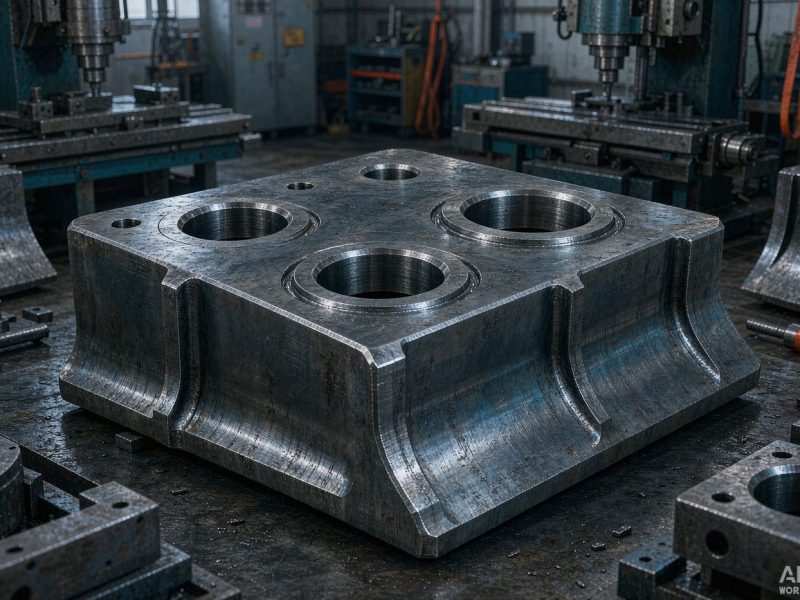
Agricultural Machinery Parts: Designing for Dirty, High-Load Service
Agricultural equipment runs in grit, moisture and shock load, often far from a workshop and months from a service interval. Specifying these parts is a different problem from specifying a machine-tool component. Design for…
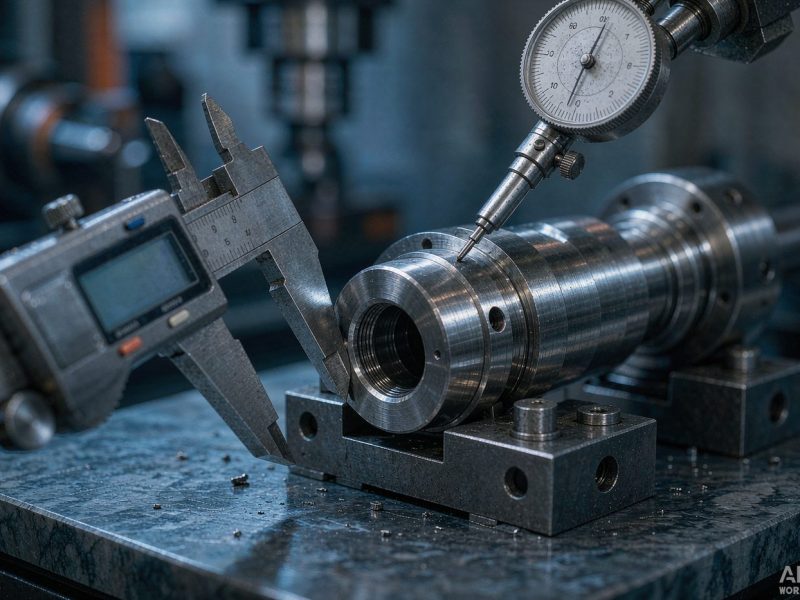
Tight Tolerance Stack-Up: How We Hold ±0.005 mm Across One Plant
Any shop can hold ±0.01 mm on one feature. The hard part is holding the relationship between features — position, profile, runout — consistently, across every machine in a large facility. One thermal environment,…